Choreographing Cambodia
Geopolitics, Nation & Identity in Contemporary Dance
- Open Access
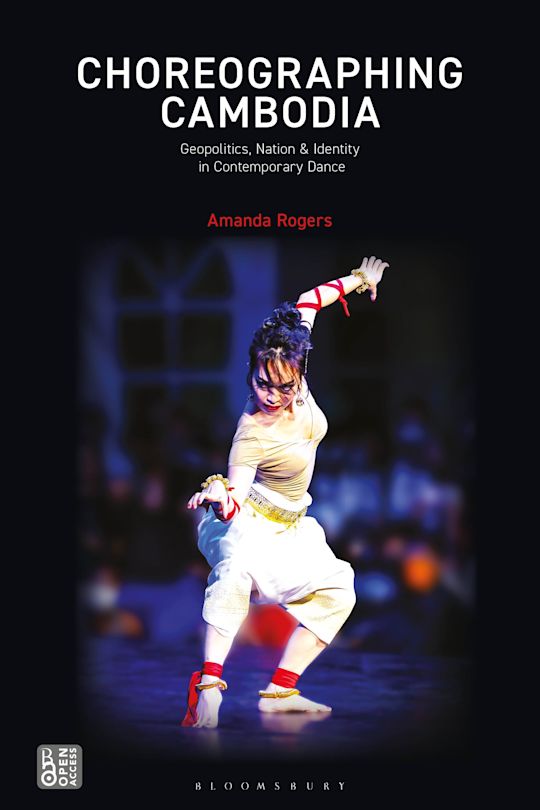

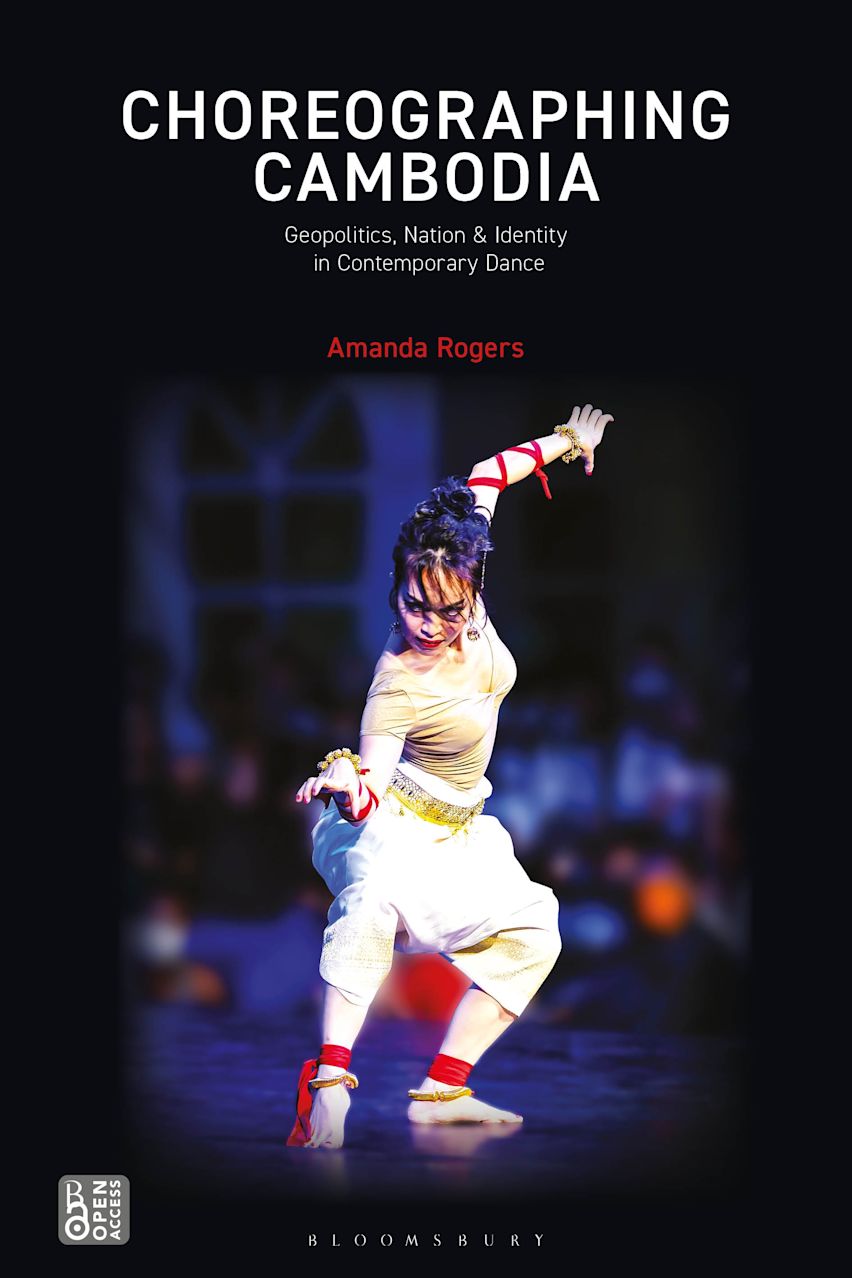
Choreographing Cambodia
Geopolitics, Nation & Identity in Contemporary Dance
- Open Access
Buying pre-order items
Ebooks and Audiobook
You will receive an email with a download link for the ebook or audiobook on the publication date.
Payment
You will not be charged for pre-ordered books until they are available to be shipped. Pre-ordered ebooks will not be charged for until they are available for download.
Amending or cancelling your order
For orders that have not been shipped you can usually make changes to pre-orders up to 72 hours before the publishing date.
Payment for this pre-order will be taken when the item becomes available
This product is usually dispatched within 2-4 weeks following the publication date
- Delivery and returns info
-
Flat rate of $10.00 for shipping anywhere in Australia
Description
Choreographing Cambodia is an open-access interdisciplinary exploration of the connections between geopolitics, embodiment, and post-conflict cultural aesthetics, engaged with through a detailed and empirically grounded analysis of contemporary dance in Cambodia. Popular imaginations of Cambodia still primarily associate the country with the genocidal regime of the Khmer Rouge (1975-1979), as war-torn and violent. However, young people under 30 who did not live through the Khmer Rouge now make up over 65% of Cambodia's population and see their country as a modern, developed nation.
This book examines the role of contemporary dance in forging these new imaginaries of Cambodia, and the entwined legacies of both war and peace on the creative desires of this young generation. It attends to the contestations and contradictions that result, and examines how contemporary dance navigates these tensions to produce an expanded socio-political field. The imaginaries and worlds that are expressed and enacted through dance are thus shown to intervene in, and be shaped by, geopolitical forces. As such, the book examines how contemporary dance offers new insights into the entanglement of geopolitics, choreography and identity, whilst also representing the first sustained analysis of contemporary dance in Cambodia.
The ebook editions of this book are available open access under a CC BY-NC-ND 4.0 licence on bloomsburycollections.com. Open access was funded by UKRI.
Table of Contents
Chapter 1: Discussing Contemporary Dance in Cambodia
Chapter 2: Contemporary Dance Training, Livelihoods and Audiences in Cambodia
Chapter 3: The Dance of Everyday Life
Chapter 4: Queering Through Strength
Chapter 5: Disability and Choreopolitics
Chapter 6: Indigeneity and Relational Ontologies
Chapter 7: Securing the Nation
Conclusion: Choreographic In/stability
Product details

| Published | 12 Nov 2026 |
|---|---|
| Format | Hardback |
| Edition | 1st |
| Pages | 252 |
| ISBN | 9781350282155 |
| Imprint | Bloomsbury Academic |
| Dimensions | 234 x 156 mm |
| Publisher | Bloomsbury Publishing |
Reviews
Related Titles