Select a format

For information on how we process your data, read our Privacy Policy
Description
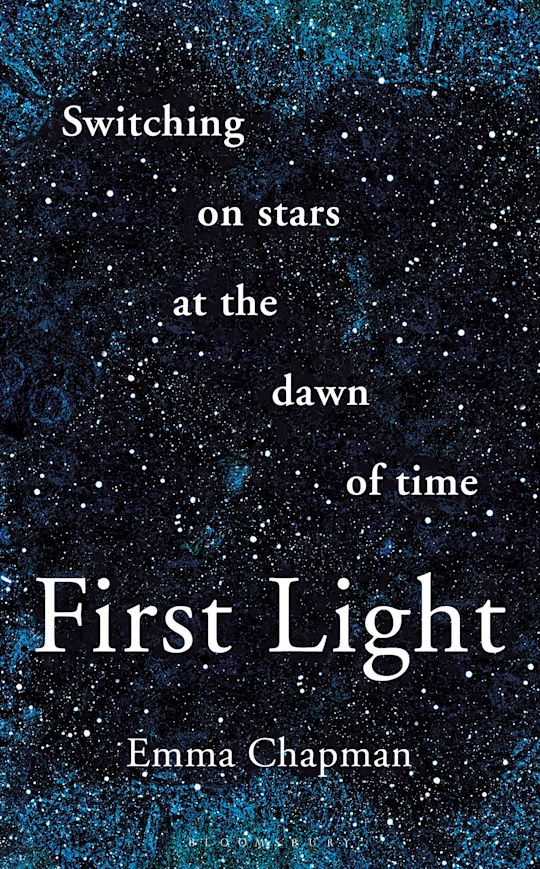
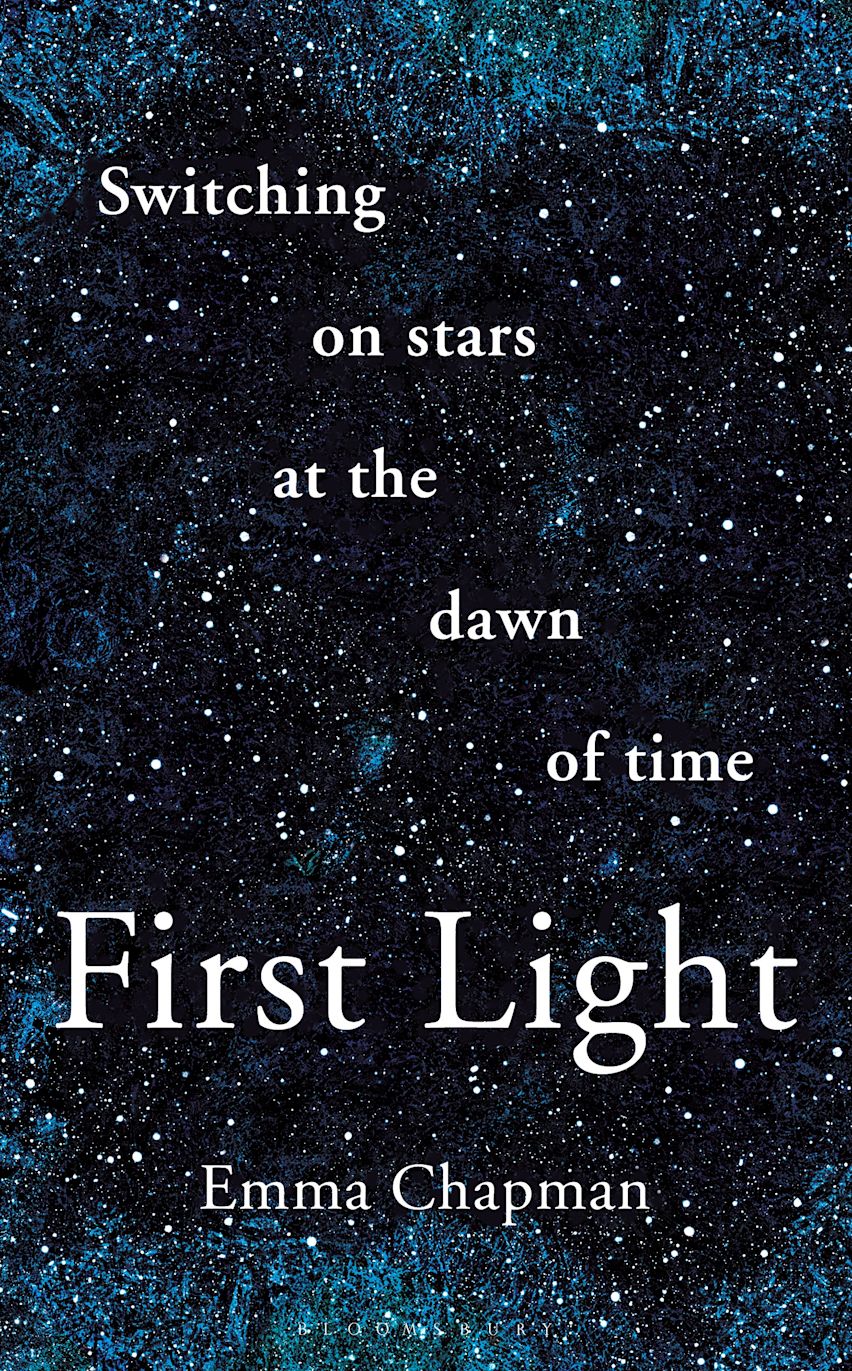
A window into a previously dark and secret time in our universe's history: when the first stars were born.
Astronomers have successfully observed a great deal of the Universe's history, from recording the afterglow of the Big Bang to imaging thousands of galaxies, and even to visualising an actual black hole. But when it comes to understanding how the Universe began and grew, we are literally in the dark ages. In effect, we are missing the first one billion years from the timeline of the Universe.
This brief but far-reaching period in the Universe's history, known to astrophysicists as the 'Epoch of Reionisation', represents the start of the cosmos as we experience it today. The time when the very first stars burst into life, when darkness gave way to light. This was the point at which the chaos of the Big Bang first began to yield to the order of galaxies, black holes and stars, kick-starting the pathway to planets, to comets, to moons and to life itself.
Incorporating the very latest research into this branch of astrophysicsDr Emma Chapman tells us how these stars formed, why they were so unusual and what they can teach us about the Universe today. She also offers a first-hand look at the immense telescopes we use to peer into the past, to take this period in the Universe's history from the realm of theoretical physics towards the wonder of observational astronomy.
Table of Contents
1: Over the Rainbow
2: Where is Population III?
3: The Small Bang
4: A Lucky Cloud of Gas
5: The Dark Ages
6: Fragmenting Stars
7: Stellar Archaeology
8: Galactic Cannibalism
9: The Cosmic Dusk
10. The First Galaxies
11: The Epoch of Reionisation
12: Unknown Unknowns
References
Acknowledgements
Index
Product details
| Published | 06 Jan 2026 |
|---|---|
| Format | Paperback |
| Edition | 1st |
| Extent | 304 |
| ISBN | 9781399427432 |
| Imprint | Bloomsbury Sigma |
| Illustrations | Black and white illustrations throughout and an 8-page colour section |
| Dimensions | 198 x 129 mm |
| Publisher | Bloomsbury Publishing |

Reviews

ONLINE RESOURCES
Bloomsbury Collections
This book is available on Bloomsbury Collections where your library has access.
Related Titles