- Home
- ACADEMIC
- Education
- Classroom Practice
- Bridging Technology and Literacy
Bridging Technology and Literacy
Developing Digital Reading and Writing Practices in Grades K-6
- Textbook
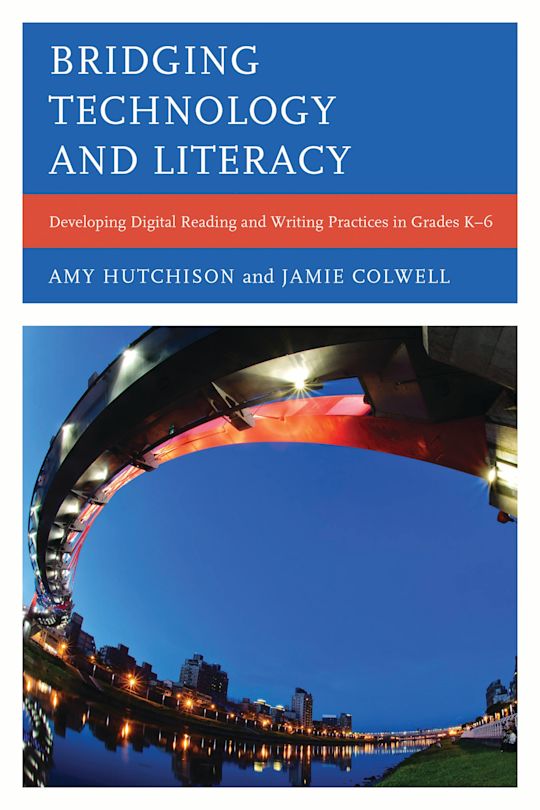
Bridging Technology and Literacy
Developing Digital Reading and Writing Practices in Grades K-6
- Textbook

Exam copy added to basket
Choose your preferred format. Please note ebook exam copies are fulfilled by VitalSource™.
Buy from Bloomsbury eTextBooks
You are now leaving the Bloomsbury Publishing website. Your eBook purchase will be with our partner https://www.vitalsource.com.
Your credit card statement will show this purchase originating from VitalSource Technologies. They will also provide any technical assistance you might require.
You must sign in to add this item to your wishlist. Please sign in or create an account
Description
This book provides a practical understanding of digital literacy and information on integrating digital technology into English Language Arts and literacy instruction at the K-6 grade levels. Cross-disciplinary connections are also provided to bridge literacy and language arts and other content areas for a more integrated approach to literacy instruction. This text not only introduces readers to various types of digital tools and resources, but also provides practical approaches for using digital tools in instruction to help students read and write multi-modal digital texts. Each chapter contains key elements that prompt brainstorming about digital tools, connections to the Common Core State Standards in Language Arts, and resources for teachers to plan instruction that incorporates digital tools. Comprehensive sample lesson plans that are aligned to the Common Core State Standards and English Language Proficiency Standards are provided throughout the text. Information about digital citizenship, digital copyright, lesson planning, and long-range planning is also provided.
Table of Contents
Chapter 2- Planning for Digital Instruction
Chapter 3- Digital Reading In the Classroom
Chapter 4- Using Digital Images in the Classroom
Chapter 5- Using Digital Audio Tools in the Classroom
Chapter 6- Using Digital Graphic Organizer Tools in the Classroom
Chapter 7- Digital Writing
Chapter 8- Reading and Writing Multimodal Text
Chapter 9- Social Media and Collaboration in the Classroom
Chapter 10- The Flipped Classroom
Chapter 11- Managing the Digital Classroom
Chapter 12- Issues Relevant to Using Digital Tools in the K-6 Classroom
Product details
| Published | Jun 18 2015 |
|---|---|
| Format | Ebook (Epub & Mobi) |
| Edition | 1st |
| Pages | 170 |
| ISBN | 9781442234963 |
| Imprint | Rowman & Littlefield |
| Publisher | Bloomsbury Publishing |
About the contributors
Reviews
-
Bridging Technology and Literacy blends a focus on teaching and learning with a rich collection of instructional practices for integrating technology. The clear descriptions and a wealth of practical activities and examples put directly into the hands of readers will help to ease the transition into the digital literacy skills so important in today's classrooms. The authors' experiences with both classroom activities and conducting research in the field work together to help teachers visualize and understand the integral connection between reading and writing, whether with print or digital texts. I especially appreciate the attention these authors have given to describing the constraints in the classroom that might put up speed bumps to technology integration. Let's talk about these issues and work through them together, rather than assuming everything will always run smoothly, or the opposite, that nothing will work correctly. Bridging Technology and Literacy arms teachers with the tips of the trade that will support their technology integration.
Elizabeth Dobler, professor, Elementary Education, Early Childhood, and Special Education, Emporia State University
-
Bridging Technology and Literacy invites teachers and schools to reconsider the role of digital technology in today’s literacy instruction, explores the complexities of digital literacies, and offers practical examples of how to teach these literacies to young learners. Teachers will find in this book application possibilities for both mobile and traditional technology platforms to engage students in digital reading and writing practices in their classrooms.
Ewa McGrail, PhD, associate professor of language and literacy, Georgia State University