Questioning Assumptions and Challenging Perceptions
Becoming an Effective Teacher in Urban Environments
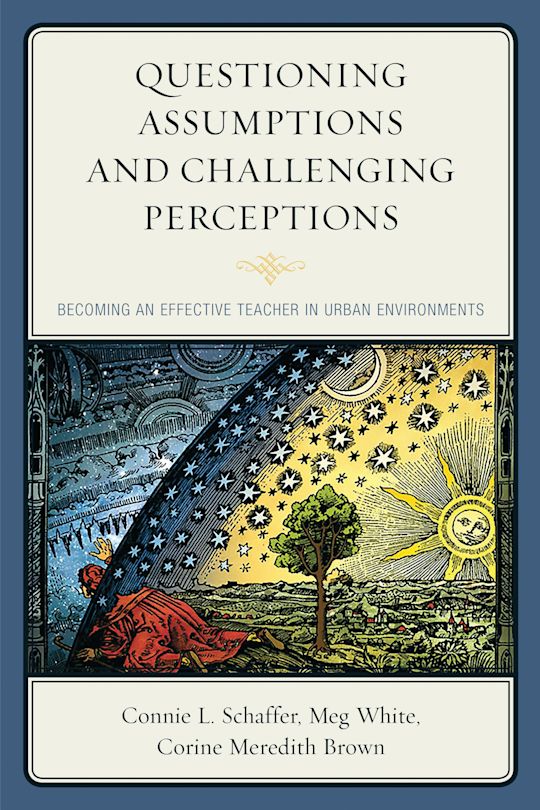

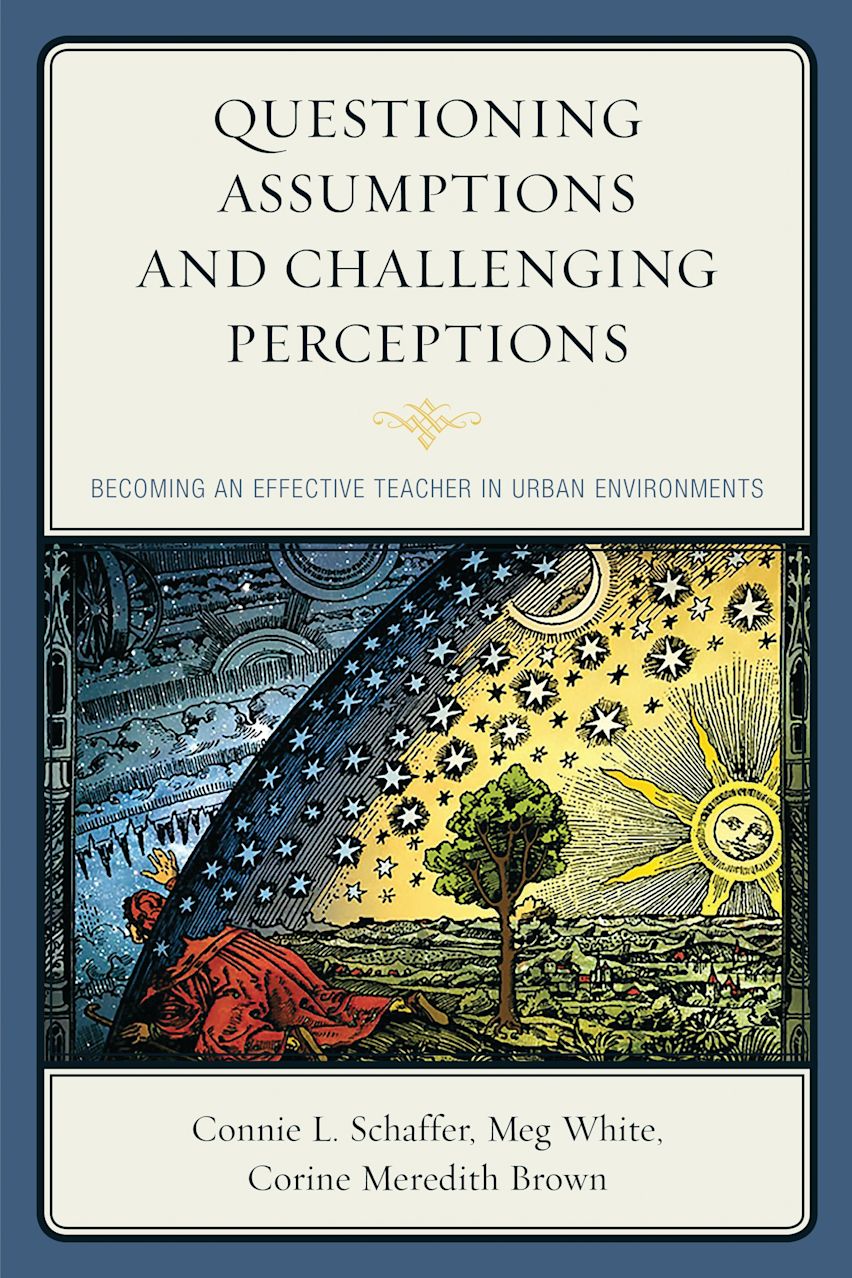
Questioning Assumptions and Challenging Perceptions
Becoming an Effective Teacher in Urban Environments
This product is usually dispatched within 1 week
- Delivery and returns info
-
Free CA delivery on orders $40 or over
Description
For a moment, consider “you don’t know what you don’t know”. What individuals know about urban schools is often based on assumptions and perceptions. It is important for individuals to examine these assumptions and perceptions of urban schools and the students who attend them.
While many textbooks support how teachers should teach students in urban settings, this book asserts individuals can be effective teachers in these settings only if they first develop an understanding urban schools and the students who attend them. As readers progress through the chapters, they will realize they don’t know what they don’t know.
Within a framework of cognitive dissonance, readers will continuously examine and reexamine their personal beliefs and perceptions. Readers will also investigate new information and varied perspectives related to urban schools. When readers finish this book, they will be on their way to becoming effective teachers in urban environments.
Table of Contents
FOREWORD-jack McKay
Acknowledgements
Introduction
CHAPTER ONE: Personal exploration
How do you define yourself culturally?
establishing a frame of reference
ABC’s of cultural understanding and communication
chapter two: creating a definition of urban
graffiti wall
sphere of influence within the social context
definitions of urban based on population
definitions of urban based on social context
broadening the definition of urban
moving beyond a single story of urban schools
chapter three: the social context of children and families in urban environments
case study 3.1: the story of amie
maslow’s identification of human needs
poverty mural
the complexities of poverty
case study 3.2: the bank street school
CHAPTER four: stages of cognitive dissonance: Internal reflections
stages of cognitive dissonance related to urban schools
creating the felt need
a kwl chart on urban schools
shifting from apprehension to appreciation
culture walks
moving beyond the deficit approach
common scenarios
CHAPTER five: stages of cognitive dissonance: external implications
value line part one
closing the gaps
value line part two
teaching for social justice
teaching for social justice gallery walk
CHAPTER six: transforming knowledge into action
teachers as activists
imagining a socially just classroom
personal sphere of influence model
identifying elements in your personal sphere of influence
CHAPTER seven: translating theory into action
case study 7.1: Ruby bridges
INDEX
about the authors
Product details
| Published | Jan 15 2016 |
|---|---|
| Format | Hardback |
| Edition | 1st |
| Pages | 112 |
| ISBN | 9781475822021 |
| Imprint | Rowman & Littlefield |
| Dimensions | 229 x 152 mm |
| Publisher | Bloomsbury Publishing |
Reviews
Related Titles