- Home
- ACADEMIC
- Education
- Language and Education
- Designing Curriculum for TESOL
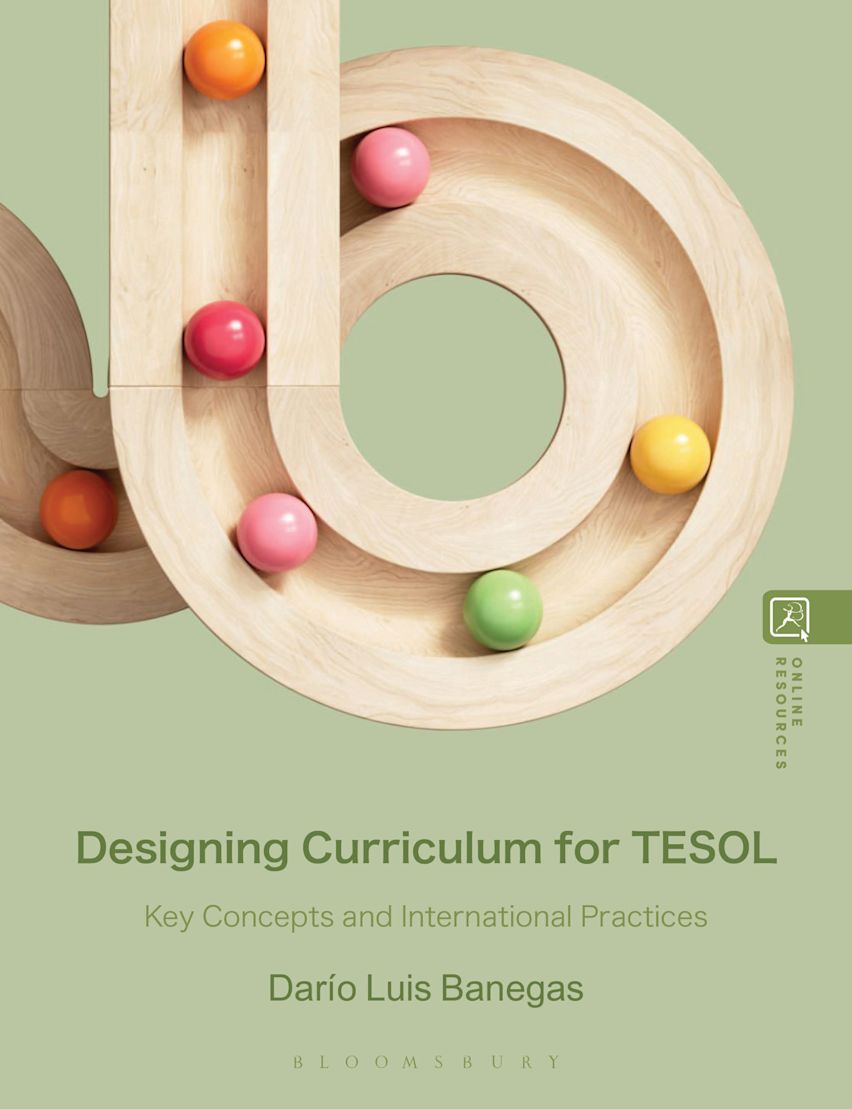
Designing Curriculum for TESOL
Key Concepts and International Practices
- Textbook
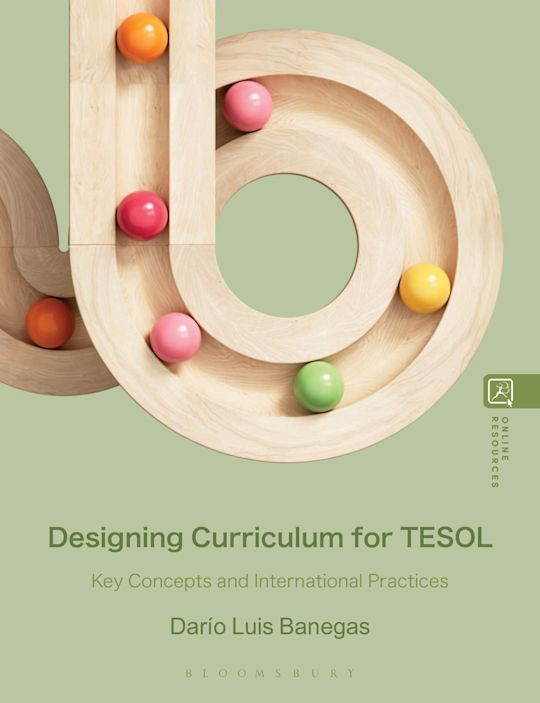
Designing Curriculum for TESOL
Key Concepts and International Practices
- Textbook

Inspection copy added to basket
Choose your preferred format. If you would prefer an ebook and it is not displayed below, please visit our inspection copies page.
Please note ebook inspection copies are fulfilled by VitalSource™.
Buy from Bloomsbury eTextBooks
You are now leaving the Bloomsbury Publishing website. Your eBook purchase will be with our partner https://www.vitalsource.com.
Your credit card statement will show this purchase originating from VitalSource Technologies. They will also provide any technical assistance you might require.
You must sign in to add this item to your wishlist. Please sign in or create an account
Description
This book describes how the teaching of English can be organised by educational systems, institutions (e.g., schools, language centres, universities), and teachers. Accessibly written, the book combines theory and practice of curriculum development by explaining key concepts through real-life examples from a range of international contexts, including Argentina, Austria, Brazil, Colombia, Ecuador, Japan, Spain, the UK and the USA. It includes activities that encourage students to analyse curricula from their own contexts and engage in lively discussions with their peers. Mini pre-recorded lectures accompany every chapter, in which the author unpacks core concepts and provides further examples from his own experience. The book covers essential topics such as curriculum goals and content, as well as critical issues such as social justice and decolonisation. It also includes a whole chapter on supporting students who would like to investigate the TESOL curriculum in their dissertation.
Table of Contents
1. What Is the TESOL Curriculum?
2. What Makes the TESOL Curriculum Political?
3. What Does the TESOL Curriculum Have?
4. How Can the TESOL Curriculum Be Evaluated?
5. How Can We Change the TESOL Curriculum?
6. What Does Decolonising the TESOL Curriculum Mean?
7. What Does Identity Mean for the TESOL Curriculum?
8. How Could You Research the TESOL Curriculum?
9. Supplementary Material
References
Index
Product details
| Published | 11 Jun 2026 |
|---|---|
| Format | Ebook (PDF) |
| Edition | 1st |
| Pages | 232 |
| ISBN | 9781350503335 |
| Imprint | Bloomsbury Academic |
| Publisher | Bloomsbury Publishing |
About the contributors
Reviews
-
'I enthusiastically endorse this timely and very necessary textbook. TESOL teachers can often get wrapped up in the day-to-day work of a language teacher and miss the big picture that is the curriculum. Darío provides a very practical and well-structured textbook that guides us to explore the TESOL curriculum from its tangible aspects, that teachers and learners might experience every day, to the more complex political abstract aspects that often shape these experiences. I believe it will be a valuable contribution to any TESOL preparation programme.'
Benjamin Luke Moorhouse, City University of Hong Kong
-
'A rare achievement: conceptually rigorous, intellectually ambitious, and pedagogically grounded. In this timely contribution, Banegas reimagines curriculum design and evaluation as both a professional craft and an ethical responsibility, skillfully interweaving threads of global perspectives, ideology, social justice, decolonial thought, and digital innovation into a coherent and compelling whole. This book will undoubtedly shape how TESOL curricula are understood, taught, developed, assessed, and transformed by TESOLers worldwide.'
Ali Fuad Selvi, University of Alabama, USA
-
'This is a comprehensive, well-researched and highly engaging introduction to curriculum studies in TESOL. The author's knowledge and experience shines through every page but his voice is also complimented by vignettes summarising case studies relevant to the topic from around the world. The volume offers a great balance of authoritative explanations with activities and interactive tasks. The intended main audience is MA TESOL students but it will be a must for anyone interested in learning about or teaching language curricula.'
Annamaria Pinter, University of Warwick, UK