Syrian-Armenian Women Migrants in Armenia
Gender, Identity, and Painful Belonging
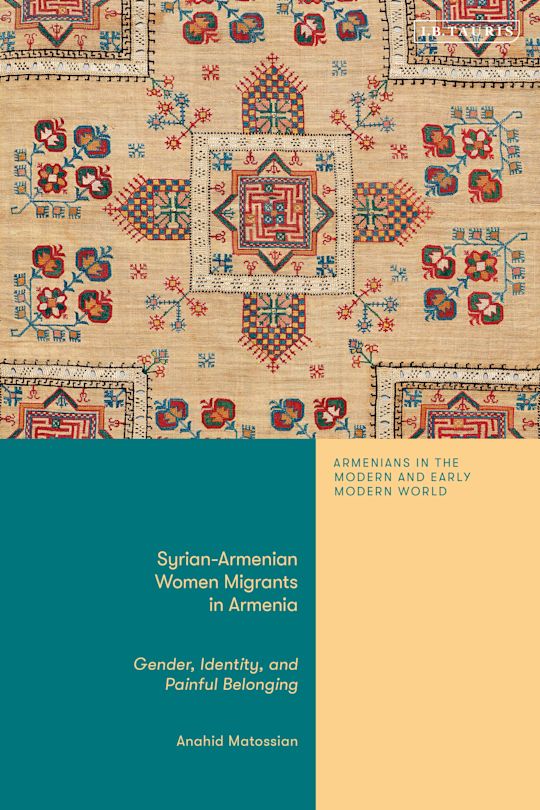

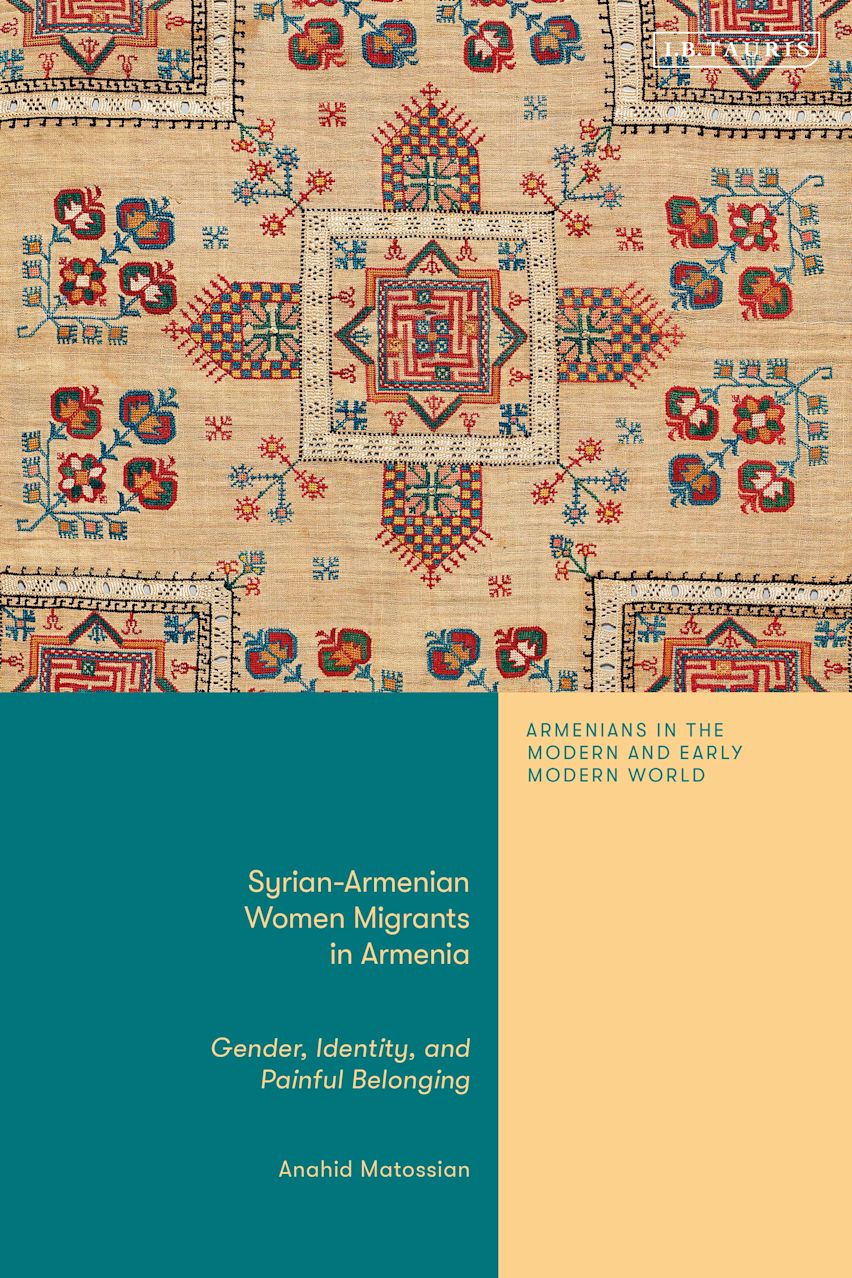
Syrian-Armenian Women Migrants in Armenia
Gender, Identity, and Painful Belonging
Description
After the outbreak of the 2011 Syrian War, a number Syrian-Armenians who had lived in the territory for generations, fled to the Republic of Armenia. This book traces the experiences of Syrian-Armenian women as they navigated their changing and gendered identities from their adopted 'homeland' to their socially constructed new 'ancestral' home in Armenia. The rich ethnographic research conducted over 6 years by the author reveals how women adjusted to new lives in Armenia, supported themselves through gendered work such as embroidery production, yet mostly challenge simple identities such as 'refugee' or 'repatriate,' existing in a state of what the author terms “painful belonging”. The book further reveals crucial insight into how experiences and traumatic memories of war in Syria and the Nagorno-Karabakh conflict reciprocally shape each other in the minds of the women interviewed.
Table of Contents
A Note on Language and Transcription
List of Interlocutors
Chapter 1 Introduction
Part I. Armenians in Syria
Part II. Syrian Armenian Women in Armenia
Part III. Overview of Book Chapters
Chapter 2 Hayrenatartzutyun [Repatriation]: “Repatriates, Not Refugees”
Part I. Painful Belonging in Syria
Part II. Painful Belonging in Armenia
Part III. Positive Reception in Armenia
Part IV. Safety in Armenia
Part V. Refugee Status: UN Definition, Status, and Its Effects in Armenia
Part VI.“You Can't Eat a Passport”: Moralizing Legal Status Decision-Making in Armenia
Conclusion
Part II. Destruction of Physical Homes and “Sense of Possibility”
Part III. Homemaking in Syria and Armenia
Conclusion
Chapter 4 Beckoned by, and Belonging to, the State
Part I. The Idea of the (Armenian) State
Part II. Collective Memory of the Armenian Genocide and Return Narratives
Part III. State Anxiety and Expanded Citizenship Processes
Part IV. The Performativity and Discursive Power of the “Beckoning” Armenian State
Conclusion
Chapter 5 “I Can Work, I Can Get on My Feet”: Syrian Armenian Women Entrepreneurs
Part I Brief Overview of Women Entrepreneurs
Part II Western Armenian Embroidery and Female Survivors
Part III Syrian Armenian Women Entrepreneurs and Western Armenian Embroidery
Part IV Participant Observation in Western Armenian Embroidery Classes
Conclusion
Chapter 6 The Syrian Armenian Brand
Part I. The Syrian Armenian “Brand”
Part II. Performativity and Syrian Armenian Exhibition Sales
Part III. Local Employee Perspectives on Brand Implementation
Conclusion
Chapter 7 “Women Are in the Driver's Seat Now”: Changing Gender Dynamics from Syria to Armenia
Part I. Gender Dynamics in Syria
Part II. Gender Dynamics in Armenia
Chapter 8: Conclusion
Epilogue: From One War Zone to Another: Syrian Armenian Migrant Women and the Artsakh Conflict
Syrian Mercenaries, Specters of the Syrian Conflict Spirited to Artsakh
Syrian Armenian Women and the Artsakh War Effort
Product details
| Published | 23 Jan 2025 |
|---|---|
| Format | Ebook (Epub & Mobi) |
| Edition | 1st |
| Extent | 232 |
| ISBN | 9780755648481 |
| Imprint | I.B. Tauris |
| Series | Armenians in the Modern and Early Modern World |
| Publisher | Bloomsbury Publishing |
Reviews

ONLINE RESOURCES
Bloomsbury Collections
This book is available on Bloomsbury Collections where your library has access.
Related Titles