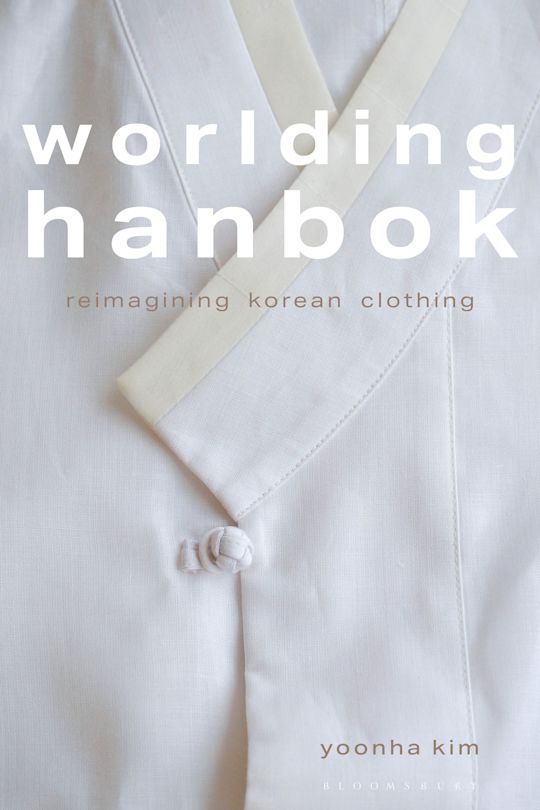

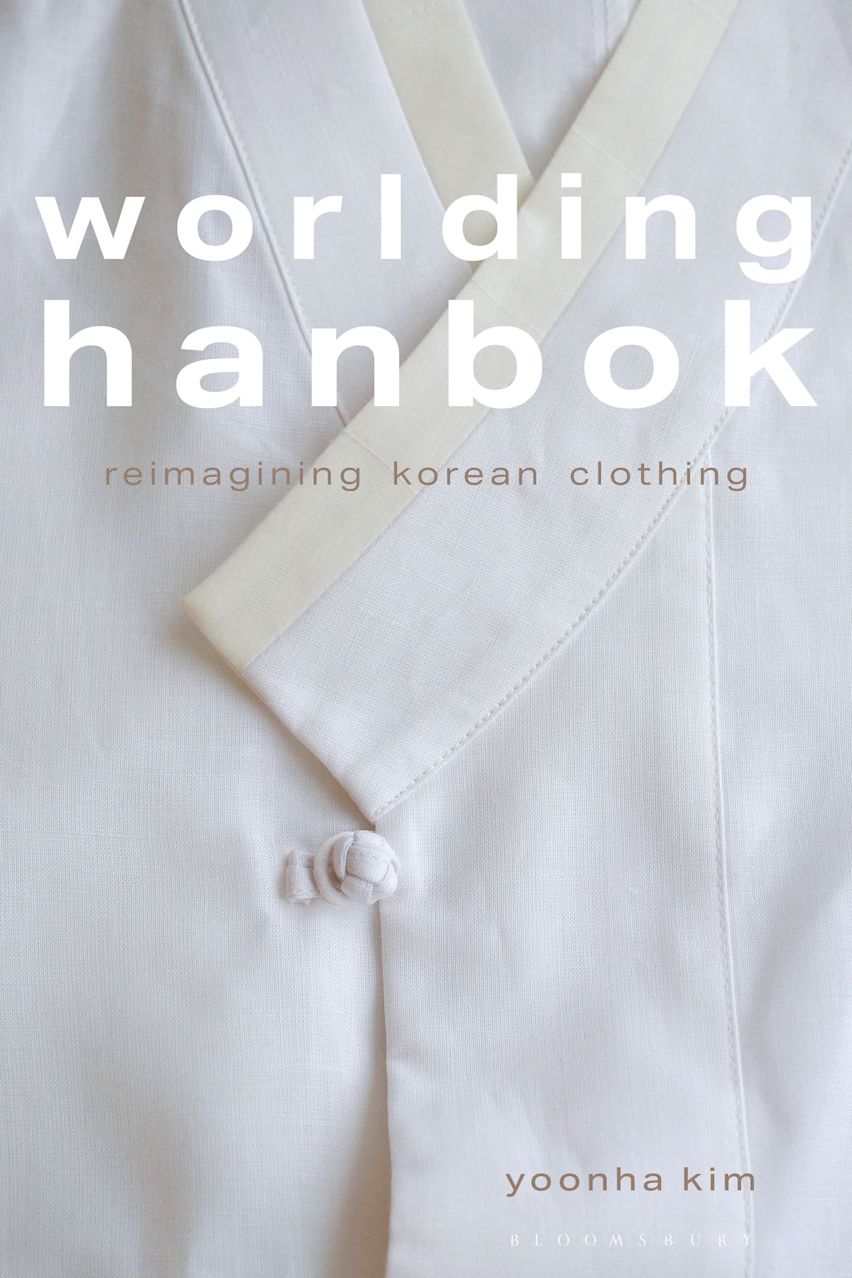
Description
What did Koreans wear before t-shirts and jeans and what futures might still be woven into those garments?
Once an everyday attire shaped by climate and agrarian life, hanboks have been pushed to the margins of museums and fashion shows. Yet grassroots movements and experimental practices are reviving the hanbok as a site of resistance.
At the heart of Worlding Hanbok is Lee Ki-Yeon, an activist, who during South Korea's 1980s dictatorship initiated a movement of wearing earth-toned, oversized hanboks as a symbol of solidarity and renewal. These hanboks were not only structurally ecological – they were crafted to enable generous sharing of garments, embodying values of energetic circulation, material activity, and collaborative inhabitation.
Through embodied ethnography and fieldwork across hanbok workshops, a weaving facility, online hanbok communities, and a textile lab in Potsdam, anthropologist Yoonha Kim shows how the making and wearing of hanboks enact alternative ways of knowing, being, and relating.
Accessibility Information
Additional accessibility information
- PDF/UA-2, 1.4
- accessibility@bloomsbury.com
Hazards
The publication contains no hazards
Support for non-visual reading
Has alternative text descriptions for images
Navigation
- Page list to go to pages from the print source version
- Elements such as headings, tables, etc for structured navigation
- All or substantially all textual matter is arranged in a single logical reading order
Table of Contents
Part I. Framing the Practice
1. Introduction - Worlding Hanbok
2. Enclothed Exploration: Wearing as a Method
Interlude: Meeting Lee Ki-Yeon
Part II. Politics and Practices of Making
3. Dressing as Everyday Resistance: The Working-Class Hanbok Movement (1980s–2000s)
4. Ready-to-Wear Hanbok
5. Ot-Jieum as Practice: Cycle of Cutting, Stitching, Wearing, Mending
6. "Between Beings" Sai-Jonjae: Humans as In-between Beings
7. You Cannot Make Clothes Without Understanding the Body: Clothes Follow the Flow of Five Viscera
Interlude: Breath in Fabric
Part III. Weaving as Worlding
8. Salim on a Fabric Level: Mulkkuri Myeongju
9. Usage Salim
Part IV. Toward an Otherwise
10. From Hanbok to Uriot: Daily Embodied Transformation
11. Worlding Through Wearing: Exploring Alternative Perspectives
References
Product details

| Published | 15 Oct 2026 |
|---|---|
| Format | Ebook (PDF) |
| Edition | 1st |
| Pages | 258 |
| ISBN | 9798216452256 |
| Imprint | Bloomsbury Academic |
| Publisher | Bloomsbury Publishing |
Reviews
Related Titles