“It doesn’t matter how small your garden or outside space is, together all gardens contribute to the wider landscape”

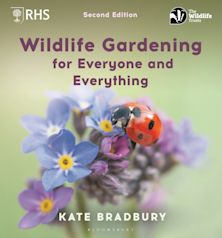
Wildlife Gardening for Everyone and Everything includes step-by-step instructions for creating wildlife havens like bee hotels, compost corners, wildlife ponds, and more. Which project from the book do you think gives gardeners the quickest win for biodiversity?
It’s got to be the pond projects. Ponds provide habitats for a range of species, from amphibians and aquatic invertebrates, which use ponds to breed, to birds and mammals that use ponds for drinking and bathing. If you dig a pond it will become a central hub of life in your garden, and will be invaluable in periods of drought.
The book emphasises gardens of all sizes – from balconies to windowsills. What are the most overlooked opportunities for supporting wildlife in very small or urban spaces?
A small patch of long grass is one of the best things you can do for butterflies and moths, while native plants are much overlooked as a source of pollen and nectar, as well as larval food opportunities for many species that support the wider food web.
One Garden Against the World shares both the joys and anxieties of gardening during climate change. How did writing about your own climate worries help you frame the book’s message of hope?
It was quite a cathartic process! Writing about my climate worries while doing my best to alleviate the effects of drought in my own garden as a process that gave me hope and helped me feel like I was (and am) part of the solution. This is a very powerful thing and it was a privilege to share this in my book.
One Garden Against the World calls on gardeners, communities, and individuals to take action. What small, achievable steps do you wish every reader would adopt straight away to tackle climate change?
I think more of us need to connect the dots. The more of us that have a relationship with our gardens and the species we share it with, the more we understand how the natural world works, and how we need it. I hope this can filter through to making better choices when travelling and buying food, and encourage more of us to push those in power to make decisions for a better future for all.
Both books emphasise the urgent need to act for nature. What gives you the most hope right now when it comes to gardeners' contributions to climate and biodiversity solutions?
In the last 20 years I’ve seen an increase in gardeners who want to make a difference and aid biodiversity in their gardens. This gives me hope. It doesn’t matter how small your garden or outside space is, together all gardens contribute to the wider landscape in a multitude of ways – we just need to grow more plants and garden more mindfully, and I’m happy to see more of us are.

Winner of the People's Book Prize for Non-Fiction
Books by Kate Bradbury