The Revolution of Indian Parallel Cinema in the Global South (1968–1995)
From Feminism to Iconoclasm
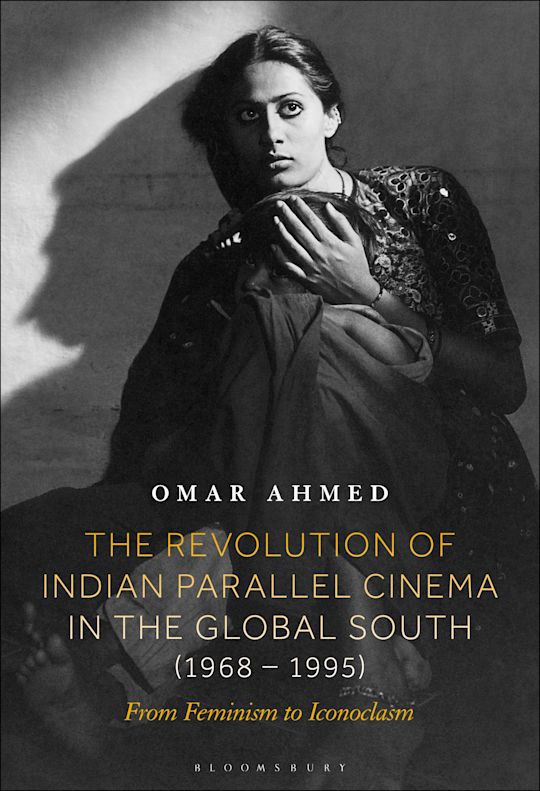

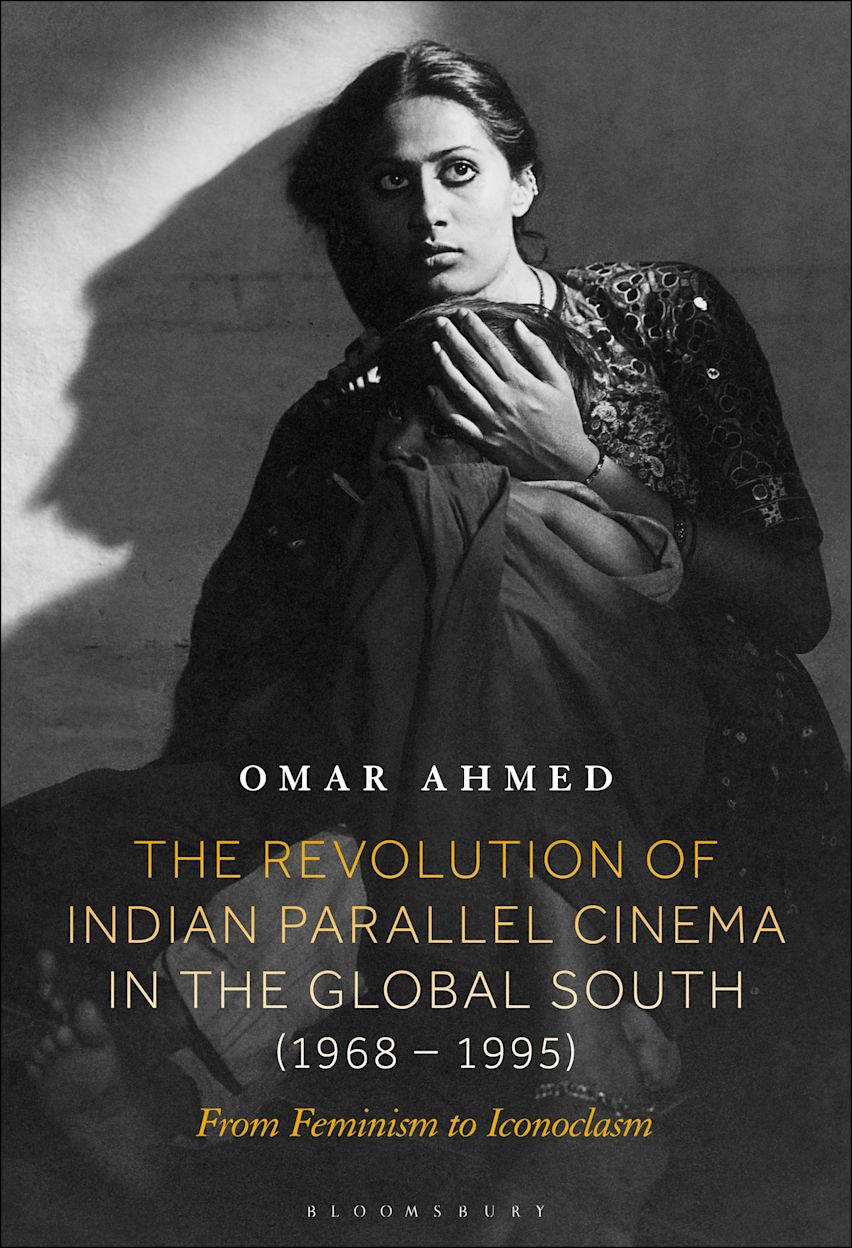
The Revolution of Indian Parallel Cinema in the Global South (1968–1995)
From Feminism to Iconoclasm
For information on how we process your data, read our Privacy Policy
Description
Drawing from over a decade of research and writings, this book takes you on an epic journey through the history of Indian Parallel Cinema (1968 – 1995).
India, the late 1960s. Something was in the air. A film manifesto penned by passionate cinephiles called for a new cinema. An exciting generation of iconoclastic filmmakers were on the march, the first to graduate from the newly incarnated Film and Television Institute of India, seizing the moment to forge one of the first major post-colonial film movements. What emerged was an unprecedented level of creativity, merging international influences with experimental, indigenous styles, and creating an aesthetic and thematic rupture, and that ultimately led to new ways of making films. But it is a story that has rarely been told, inextricably absent from the parochial, Euro-centric and linear histories of film. This is the story of Indian Parallel Cinema.
From auteurs like Mani Kaul and John Abraham to Smita Patil and Om Puri, The Revolution of Indian Parallel Cinema in the Global South explores the origins, evolution, demise and legacy of a film movement that produced a pantheon of innovative filmmakers, in excess of two hundred films and a distinctly regional identity in which film societies, state funding and political insurgency were catalysts for a defiant, radical dialogue, much of it anti-establishment, that broke all the rules. Most importantly, this publication considers the ways in which Parallel Cinema narrated a new 'history from below', using a range of case studies that includes Uski Roti, Mirch Masala and Amma Ariyan.
Table of Contents
Acknowledgments
Dedication
Preface
Foreword
1. Emerging from the Shadows: The Renaissance of Indian Cinema
2. Pioneering Pathways: The Development of Parallel Cinema: The IPTA, Film Policy & Radical Bengal
3. Chronicling the Foundational Years (1968 – 1974): A Manifesto, Creative Experiments & Regionalism
4. The Crucible of the Emergency Era (1975 – 1977): Crisis, Regression and Cultural Opposition
5. Commercial Control: The High Point of Parallel Cinema (1978 – 1989): Consolidation, the FFC re-born & Diversification
6. Fading Frames: The Decline of Parallel Cinema (1990 – 1995): Hindutva, Liberalization & Bollywood
7. Legacies (2010 & beyond): Film Preservation, Canonizing Parallel Cinema & New Indian Independent Cinema
Bibliography
Filmography
Abbreviations
Index
Product details

| Published | Aug 20 2026 |
|---|---|
| Format | Paperback |
| Edition | 1st |
| Pages | 248 |
| ISBN | 9798765101056 |
| Imprint | Bloomsbury Academic |
| Dimensions | 9 x 6 inches |
| Publisher | Bloomsbury Publishing |

Reviews

ONLINE RESOURCES
Bloomsbury Collections
This book is available on Bloomsbury Collections where your library has access.
Related Titles